Our Father in Heaven
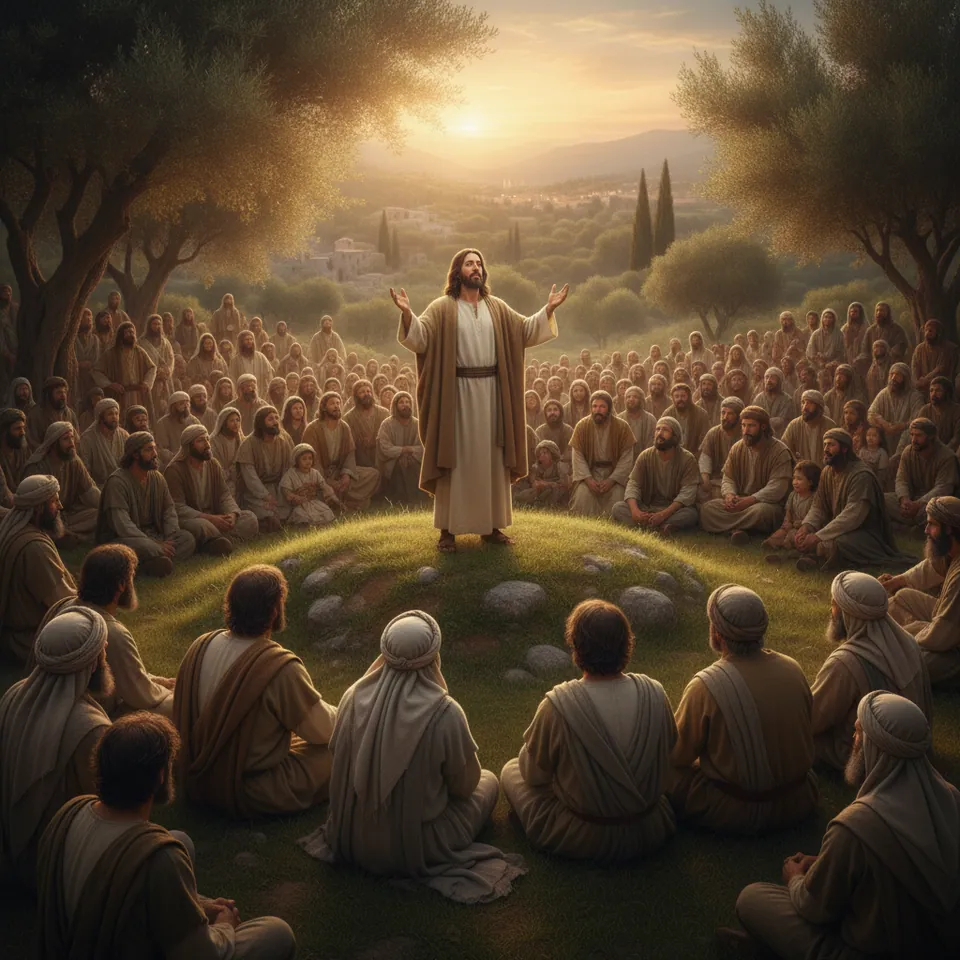
“This, then, is how you should pray: ‘Our Father in heaven, hallowed be your name, your kingdom come, your will be done, on earth as it is in heaven. Give us today our daily bread. And forgive us our debts, as we also have forgiven our debtors. And lead us not into temptation, but deliver us from the evil one.’”
📖 The Essence of Prayer Begins with the Lord’s Prayer
Jesus’ life can be summarized in one word: prayer.
He prayed through the night, rose early in the morning to pray, poured out His heart before the Father on the mountain, and continued praying even while hanging on the cross.
Watching His life of prayer, the disciples longed to learn how to pray. In response to their request, Jesus gave them what we now call the Lord’s Prayer.
The Lord’s Prayer is the model of all prayer. Countless theologians have devoted their lives to studying these few verses because they contain the very heart of communion with God.
Unfortunately, many Christians recite the Lord’s Prayer merely out of habit. Yet prayer is not simply a technique to master—it is learning how to live in relationship with our Heavenly Father. Through the prayer Jesus taught us, we are invited to rediscover the true nature of prayer.
📖 The Most Important Question in Prayer: Who Are You Praying To?
The Lord’s Prayer can be divided into two parts: petitions concerning God and petitions concerning our daily needs.
Yet everything begins with one profound declaration:
“Our Father in heaven.”
Prayer is never talking into empty space. Before anything else, we must know who is listening.
When the object of our prayer becomes unclear, prayer easily turns into superstition or a self-centered attempt to get what we want.
That is why Jesus warned against meaningless repetition like the pagans. Before teaching us what to ask for, He first taught us whom we are approaching.
📖 “Our Father”: An Invitation into a New Relationship
For the Jews of Jesus’ day, calling God “Father” was nothing short of revolutionary.
Throughout the Old Testament, God was recognized as holy, majestic, and transcendent. People approached Him with awe and reverence.
But through Christ, we have been adopted into God’s family. Because we have received the Spirit of adoption, we can now call Him “Abba, Father.”
The relationship between a father and his child is not based on a contract.
Even when children fail, they still have a home to return to.
The prodigal son in Luke 15 could return to his father after losing everything because he never stopped being a son.
Prayer, therefore, is not about persuading God—it is the intimate conversation between a loving Father and His beloved children.
📖 “Our” Father: Prayer Beyond Ourselves
Jesus did not teach us to pray, “My Father,” but “Our Father.”
Christian prayer is deeply communal.
God is not only my Father—He is the Father of all believers.
That is why the Lord’s Prayer says,
“Give us today our daily bread,” not “Give me my daily bread.”
Our prayers should never revolve solely around our own needs.
Instead, they should embrace our families, churches, neighbors, and the advance of God’s kingdom.
Whenever we pray, we should ask ourselves:
Does my prayer bless only me, or does it also seek the good of others?
Those who seek God’s kingdom naturally learn to pray with “our” instead of merely “my.”
📖 “In Heaven”: Both Intimacy and Reverence
Although God is our Father, He is also “in heaven.”
“Heaven” is not merely a physical location. It represents God’s sovereign reign and authority over all creation.
Calling God “Father” does not diminish His holiness.
Rather, it reminds us that the One who lovingly welcomes us is also the King who rules over the universe.
Earthly rulers possess limited authority, but our Heavenly Father reigns over life, history, and eternity.
This truth gives believers both confidence and comfort, especially in seasons of suffering.
✨ Conclusion: Knowing the Father Is the Beginning of Powerful Prayer
Prayer is not about saying many words.
It begins by knowing the One to whom we pray.
The older brother in the parable of the prodigal son remained physically close to his father yet never truly understood his father’s heart.
The younger son lost everything, but he trusted his father’s love enough to return home.
Our Heavenly Father faithfully cared for Israel throughout the wilderness, and He knows each of us more deeply than anyone else ever could.
To belong to Him as His children is our greatest privilege.
As we meditate on the opening words Jesus taught us—
“Our Father in heaven”
—our prayers move beyond routine recitation and become genuine fellowship with the living God.
The more deeply we know our Father, the more confidently and joyfully we will pray.
📖 Listen to Today’s Message

💡 Reflection Q&A
Q1. Why did Jesus teach the Lord’s Prayer?
A1. The disciples saw Jesus’ consistent life of prayer and asked Him to teach them how to pray.
Q2. What kind of prayer did Jesus warn against?
A2. He warned against empty, repetitive prayers that consist only of meaningless words.
Q3. What is the most important starting point of prayer?
A3. Knowing who God is and approaching Him with confidence as the One who hears our prayers.
Q4. What does calling God “Father” mean?
A4. It means we have become God’s children through Jesus Christ and may approach Him in a close, personal relationship.
Q5. What does “Abba, Father” express?
A5. It reflects the trust, intimacy, and security of a child calling upon a loving father.
Q6. Why did Jesus teach us to say “Our Father” instead of “My Father”?
A6. Because prayer is not merely personal—it embraces the entire family of God and His kingdom.
Q7. What lesson can we learn from “Give us today our daily bread”?
A7. We should pray not only for our own needs but also for the needs of others.
Q8. What does “in heaven” signify?
A8. It reminds us that God reigns with absolute authority and deserves our reverence and worship.
Q9. Why is prayer more than simply gaining knowledge about God?
A9. Because prayer is living fellowship with the God who is present and actively hears His children.
Q10. Why can believers pray with confidence?
A10. Because our Heavenly Father knows us completely, loves us unconditionally, and faithfully listens to our prayers.