Blessed Are the Peacemakers
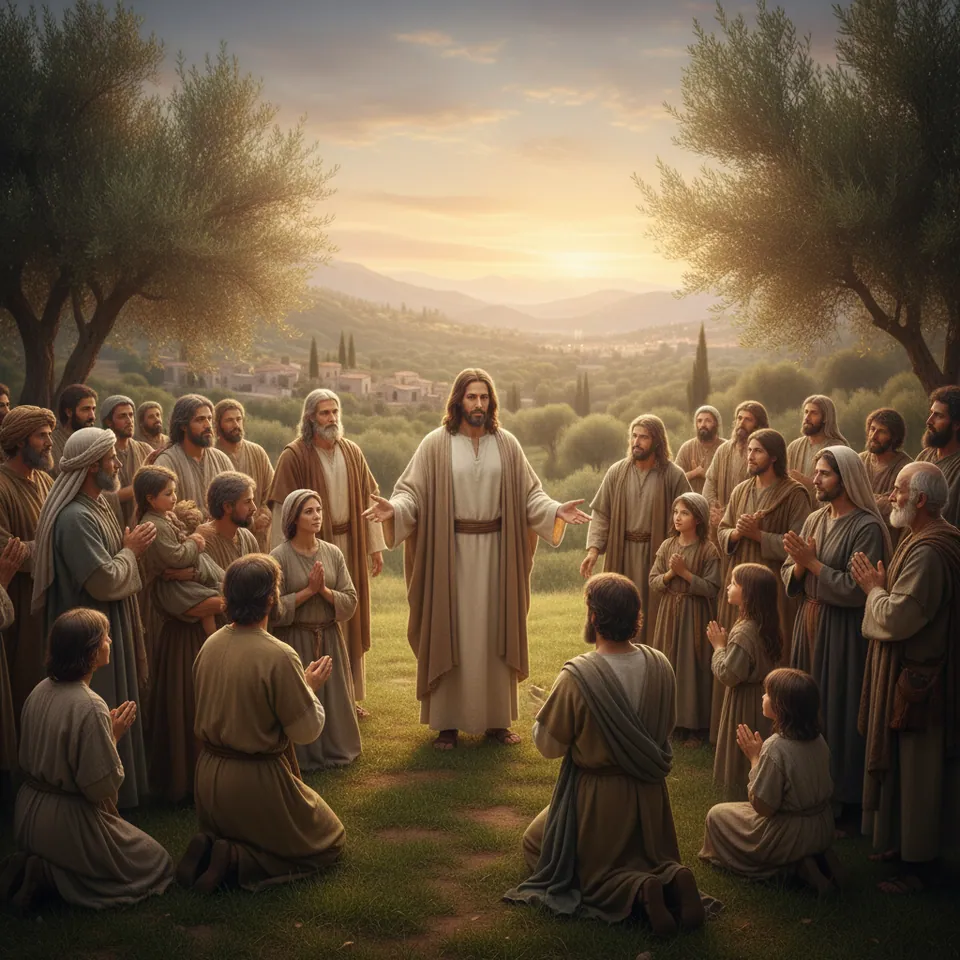
9 Blessed are the peacemakers, for they shall be called children of God.
📖 Endless Wars, Unfading Longing for Peace
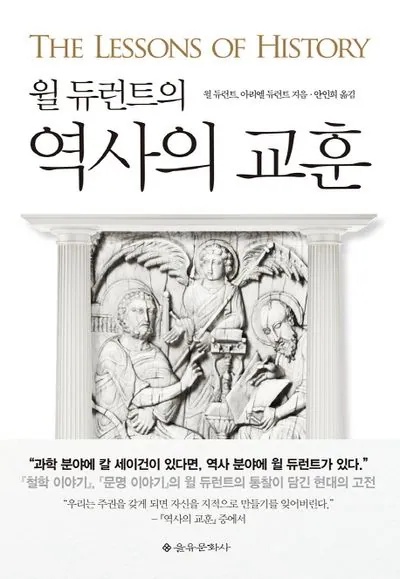
Human history could be described as the history of war. In The Lessons of History by Will and Ariel Durant, war is portrayed as a constant of history. Through countless war films, we glimpse how terrible war is and how costly broken peace can be. Yet wars on earth never cease.
The Roman Empire once enforced Pax Romana — Roman peace — through sheer power. But it was a fragile peace, maintained by force. People longed for a Messiah greater than Rome, who would conquer the world and bring true peace. Even with wealth and possessions, without inner peace, happiness is impossible. We all long for peace.
📖 The Root of Conflict: Self-Centered Sin
Why is peace so difficult to achieve? At the root of every conflict lies sin. Sin is essentially self-centeredness and selfishness. It bends us inward so severely that we cannot see beyond ourselves. This inward corruption produces strife and discord in relationships.
Who does Scripture call blessed? The peacemakers. They are not merely lovers of peace but those who actively step into broken relationships to restore peace. True peace cannot be achieved by avoiding conflict. It requires entering into conflict honestly, facing problems, and fighting for reconciliation.
📖 True Peace Begins Within
At times, we ourselves become troublemakers. If our hearts are filled with anxiety, resentment, and anger, we cannot build peaceful relationships. The war begins within us.
“There is no peace,” says the Lord, “for the wicked.” (Isaiah 48:22)
The essence of peace lies in our relationship with God. When we were His enemies, God reconciled us through His Son Jesus Christ (Romans 5:10). True peace cannot be earned by our ability or possessions; it is a gift of God through Christ.
“Let the peace of Christ rule in your hearts, since as members of one body you were called to peace.” (Colossians 3:15)
The heart of Christ’s mission is to give us the peace found in God’s own nature. The cross of Jesus is the great event of peace, tearing down the wall of sin that separated us from God and from one another.
📖 The Cost of Peace
Peace does not come cheaply. It always requires a price. Paul wrote to the Philippians about the attitude necessary for peace:
“In humility value others above yourselves… In your relationships with one another, have the same mindset as Christ Jesus.” (Philippians 2:3–5)
The price is humility — lowering ourselves. By nature, we hate to lose. But true peace requires the willingness to yield. Winning arguments is less important than winning people.
📖 The Greatest Evidence of Being God’s Children
Jesus promised that peacemakers will be called children of God. This is an extraordinary blessing. It means God Himself acknowledges us: “You resemble Me; you are My child.” God is the God of peace, always seeking peace. The more we know Him, the more we long for peace.
We must ask ourselves: Am I living as a peacemaker or a troublemaker? Those who destroy relationships cannot be called children of God. We are called to be ministers of reconciliation.
“If it is possible, as far as it depends on you, live at peace with everyone.” (Romans 12:18)
What the world and the church truly need are not the most talented people but peacemakers. More than ability, it is love and gentleness that embrace others and build peace.
✨ Conclusion: Training for Peace Begins at Home
Peacemakers are not made overnight. To love, be gentle, embrace, and yield requires discipline. And the best place to train is the home. In our closest relationships, we practice peace. Through family life, we learn love, forgiveness, humility, and self-control. Then we can live as true peacemakers — children of God — shining as salt and light in the world.
📖 Audio Summary

💡 Reflection Q&A
Q1. Why has war never ceased in human history, and what is the limit of human-made peace?
A1. History repeats with wars, and peace enforced by power (like Pax Romana) is fragile. True peace is not about possessions but inner rest.
Q2. What is the root cause of conflict and strife?
A2. Sin — the self-centered nature that blinds us to others.
Q3. Who are the “peacemakers” in Scripture?
A3. Those who do not avoid conflict but actively enter broken relationships to restore peace.
Q4. Why must inner peace come before outward peace?
A4. Without inner peace, anxiety and anger make us the source of conflict in relationships.
Q5. Why can’t we achieve true peace by our own strength?
A5. True peace begins with reconciliation with God, possible only through Christ’s cross.
Q6. What price must we pay for peace?
A6. Humility — valuing others above ourselves and being willing to yield.
Q7. What does it mean to be “called children of God”?
A7. It means God recognizes His likeness in us when we live as peacemakers.
Q8. Why is character more important than ability in the church?
A8. Because love and gentleness build unity and peace more than talent or skill.
Q9. What qualities mark a peacemaker?
A9. Love, gentleness, the ability to embrace others, and self-control to yield rather than fight.
Q10. Where is the best place to train as a peacemaker?
A10. At home — in close relationships we learn love, forgiveness, humility, and self-control.