Love Remains
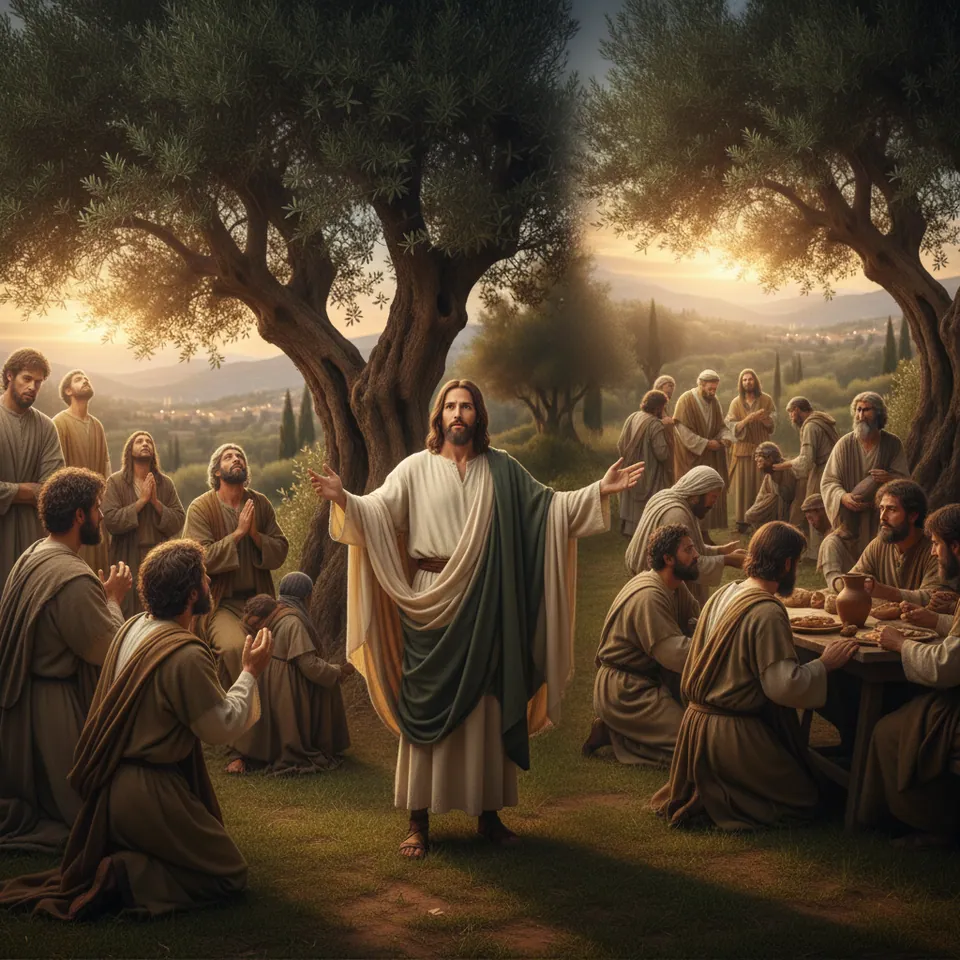
Matthew 22:37–40
37 Jesus replied: “‘Love the Lord your God with all your heart and with all your soul and with all your mind.’
38 This is the first and greatest commandment.
39 And the second is like it: ‘Love your neighbor as yourself.’
40 All the Law and the Prophets hang on these two commandments.”
📖 The Standard of Everything: Love
When life feels confusing and we lose sight of what truly matters, we must return to the most fundamental standard. In today’s passage, a lawyer tested Jesus with a question. Jesus’ answer revealed the essence that runs through all of Scripture: love.
Sometimes our zeal for rules or religious passion overshadows love. When that happens, we are no different from the Pharisees of Jesus’ time. Ultimately, above all things and at the very end, what remains is love.
📖 The Invisible God, the Visible Neighbor
Loving God and loving our neighbor are two sides of the same coin. Our love for God is proven by how we love our neighbor. Conversely, our love for others must be rooted in our love for God.
We often think we have no problem loving God, yet struggle to love people. In fact, it may feel easier to love the invisible God than the visible neighbor. But Scripture teaches that loving God means obeying His commands (1 John 5:3). Jesus even said reconciliation with a brother must come before worship (Matthew 5:23–24). God’s love and neighborly love are inseparably connected.
📖 Do You Know the Father’s Heart?
In the parable of the prodigal son, the elder brother thought he loved the father but refused to love the younger brother whom the father loved. True love for the father means loving those whom the father loves.
Cain killed Abel over an offering. His worship of God turned into hatred and murder of his brother. If Cain truly loved God, he could never have killed Abel, whom God loved. Loving God without loving others can lead to devastating consequences.
📖 Love: Obedience Beyond the Impossible
God’s greatest command is “Love.” We must obey this command, even though it feels impossible. Loving enemies seems overwhelming.
But love grows through small steps of obedience. Just as climbing smaller hills prepares us for Everest, practicing love in small ways prepares us for greater challenges. At the summit of love, we see breathtaking spiritual vistas.
Pastor Son Yang-won adopted the son of his enemy, and Corrie Ten Boom forgave the guard who tormented her. These stories show that loving enemies is not impossible. Scripture says that those who do not love remain in death (1 John 3:14–15). Loving enemies is not only for their sake but for our own salvation and life.
📖 Love Proven by Action
Jesus gave us a new command:
“As I have loved you, so you must love one another.” (John 13:34)
This raises the standard of love to the cross. Love is no longer conditional.
Love is not abstract theory or mere emotion.
“Let us not love with words or speech but with actions and in truth.” (1 John 3:18)
Even the smallest kindness to “the least of these” is remembered by the Lord (Matthew 25:40). Love means not ignoring those in need, being sensitive to others, waiting, accompanying, caring, and sometimes bearing loss.
✨ Conclusion: Love as the Proof of a Christian
When the world sees Christians, the first word that should come to mind is “loving.” Love is not one priority among many—it is the core. Even if we speak with the tongues of angels or have all knowledge, without love we gain nothing (1 Corinthians 13:3).
To love is to fulfill the law. We must begin with those closest to us, practicing love in daily life through concrete actions. This is the only and most certain way to show the world that we belong to Christ.
📖 Audio Summary

💡 Reflection Q&A
Q1. What is the core essence of all Scripture?
A1. The two commandments: “Love God with all your heart” and “Love your neighbor as yourself.”
Q2. How is love for God proven?
A2. By concrete acts of love toward visible neighbors. Love for God and love for others cannot be separated.
Q3. Why did Jesus say reconciliation must come before offering at the altar?
A3. Because worship (love for God) cannot be prioritized over right relationships (love for neighbor). They are deeply connected.
Q4. What did the elder brother in the parable miss?
A4. He thought he loved the father but failed to love the brother whom the father loved. True love for God means loving those He loves.
Q5. Why is loving enemies ultimately “for us”?
A5. Because Scripture says those who do not love remain in death. Loving enemies is tied to our own salvation and life.
Q6. How is Jesus’ “new command” different from previous ones?
A6. It adds the standard “As I have loved you,” raising love to the level of the cross.
Q7. How does 1 John 3 define true love?
A7. Not abstract words but love shown in action and truth, helping those in need.
Q8. According to Matthew 25, how does Jesus regard our actions toward “the least of these”?
A8. He considers them as actions done directly to Himself.
Q9. What does practicing love mean in daily life?
A9. Being sensitive to others’ needs, waiting, caring, bearing loss, and showing kindness in concrete ways.
Q10. What does 1 Corinthians 13 say about actions without love?
A10. No matter how great our deeds, without love they are of no benefit.