Bridging the Gap Between Words and Life: Discipleship Built on Honest Speech
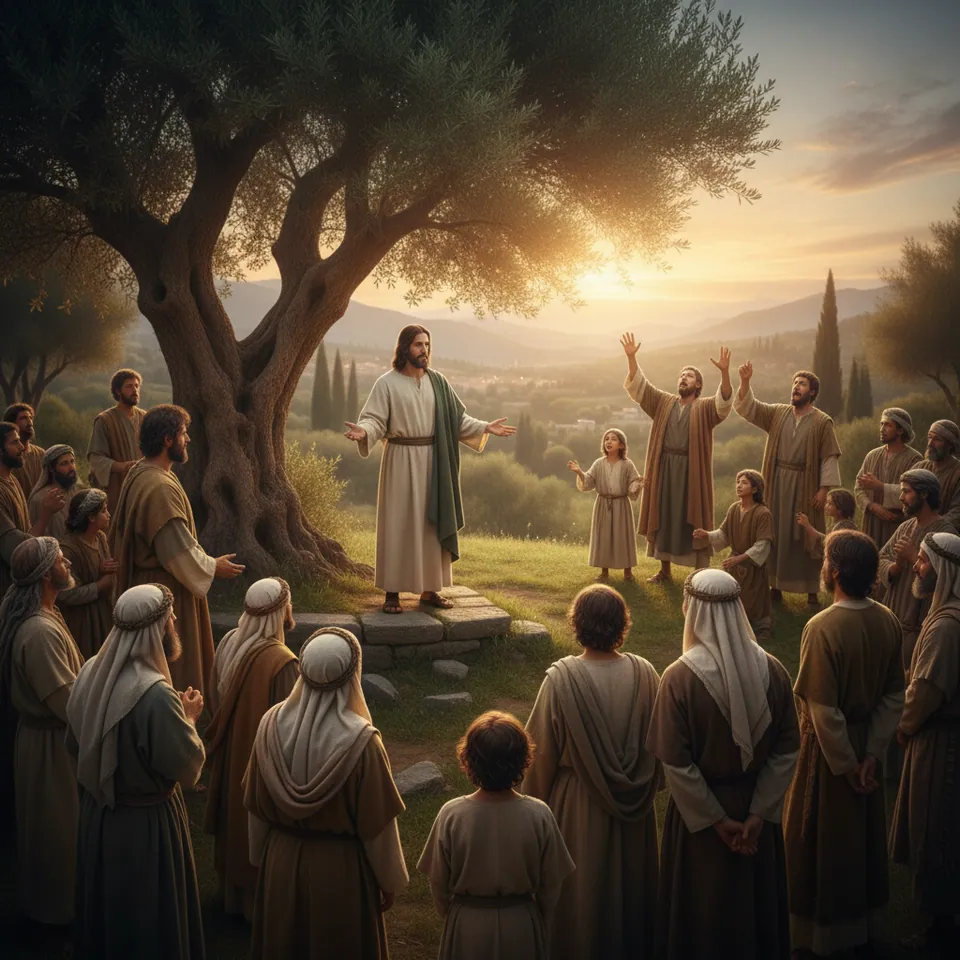
33 “Again, you have heard that it was said to the people long ago, ‘Do not break your oath, but fulfill to the Lord the vows you have made.’
34 But I tell you, do not swear an oath at all: either by heaven, for it is God’s throne;
35 or by the earth, for it is his footstool; or by Jerusalem, for it is the city of the great King.
36 And do not swear by your head, for you cannot make even one hair white or black.
37 All you need to say is simply ‘Yes’ or ‘No’; anything beyond this comes from evil.
📖 Examine the Hidden Heart Rather Than the Outward Appearance
Through the Sermon on the Mount, we are learning the principles that should govern the life of a Christian disciple. These teachings are profound and serve to correct the distortions that often creep into our faith. We naturally tend to focus on outward appearances, but Jesus continually calls us to examine the condition of our hearts.
The commandment, “Do not murder,” may seem easy to keep externally. Yet when we confront the hatred, resentment, and anger hidden within us, we realize that the issue runs much deeper. This focus on the inner reality rather than the outward display lies at the heart of the Sermon on the Mount.
📖 An Age Overflowing with Words Yet Starved of Truth
Today’s passage addresses one of the most essential aspects of human life: our words. We live in an age saturated with communication, yet trustworthy words have become increasingly difficult to find. Political promises during election seasons and exaggerated marketing claims from corporations have become commonplace.
Language itself has become polluted, and confidence in the truthfulness of words continues to erode. We are living in a time when genuine speech is often overshadowed by manipulation and exaggeration.
📖 “Do Not Swear”: A Call to Integrity in Speech
In verses 33–34, Jesus commands His followers not to swear oaths at all. Throughout history, some groups interpreted these words literally and even refused to take oaths in court. However, the primary intent of Jesus’ teaching is not a blanket prohibition against every formal oath.
Rather, He is confronting the practice of making empty promises and careless vows. His concern is the restoration of honesty and integrity in everyday speech. We are not to make grand declarations that we have no intention or ability to fulfill.
📖 Using God’s Name to Advance Personal Desires
People often invoke God’s name to add authority and credibility to their claims. Yet beneath such actions frequently lies not reverence for God but the desire to achieve personal goals. God’s name becomes a tool used to persuade others or strengthen one’s own position.
Although God’s name is invoked, God Himself is often absent from the speaker’s intentions. Excessive oath-taking frequently reveals inner insecurity. At its core, swearing oaths reflects a lack of trust and a culture of mutual suspicion.
📖 Broken Covenants and the Normalization of Harmful Speech
Even the sacred vows exchanged in marriage are often broken with alarming ease. Modern language has drifted far from truthfulness. In an age filled with virtual realities and artificial intelligence capable of generating falsehoods, words are increasingly used not for communication but for conflict.
Language grows more aggressive and divisive. Harsh criticism, insults, and verbal attacks have become commonplace, reflecting a deeper moral and relational breakdown.
📖 Learning to Say a Clear “Yes” and “No”
Jesus teaches His disciples, “Let your ‘Yes’ be ‘Yes,’ and your ‘No,’ ‘No’” (Matt. 5:37). This is a call to speak truthfully and plainly. As James 5:12 also reminds us, the speech of believers should be clear and straightforward.
Christians should not need elaborate promises or dramatic assurances to establish credibility. Instead, we should cultivate the honesty to express agreement or disagreement with clarity and integrity. In a society marked by suspicion and conflict, we must continually practice truthfulness in our everyday conversations.
📖 Words Reflect Life and Will Be Judged
The story of the Tower of Babel demonstrates how confusion in language leads to broken relationships. While speech is essential to human life, Scripture teaches that sinful corruption often flows from our lips (Romans 3:13–14).
Jesus warns that we will one day give an account for every careless word we have spoken (Matthew 12:34–37). Our words do not simply disappear into the air. God remembers them. When truthfulness is lost, our credibility as witnesses of Christ is diminished.
At the heart of discipleship lies the alignment of our words and our lives.
✨ Conclusion: The Path of Trust Through Consistent Integrity
A truthful person does not need to constantly prove their sincerity or make dramatic pledges. The power of one’s words comes from faithfully keeping even the smallest promises.
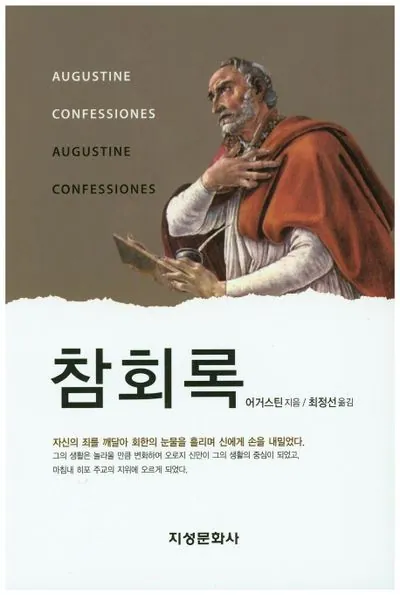
We should make commitments carefully and demonstrate our integrity through action. This is the only path away from hypocrisy. Augustine once prayed to be delivered from the restless desire to appear different from what he truly was. God listens to our everyday conversations.
At times, honoring our word may cost us something. Nevertheless, taking responsibility for what we say is an essential aspect of spiritual maturity. The credibility of our faith depends upon the credibility of our speech.
Families, churches, and societies are ultimately built upon the foundation of truth. Therefore, reducing the gap between what we say and how we live is a lifelong journey of discipleship.
📖 Audio Summary

💡 Reflection Q&A
Q1. What is the central focus of spiritual transformation in the Sermon on the Mount?
A1. It is not merely about outward behavior but about examining and transforming the hidden condition of the heart.
Q2. What is one of the greatest problems with language today?
A2. Words have increasingly become tools for conflict, manipulation, exaggeration, and deception, resulting in a loss of trust.
Q3. What did Jesus mean when He said, “Do not swear at all”?
A3. His primary concern was not the literal prohibition of all oaths but the rejection of empty promises and the restoration of honesty in everyday speech.
Q4. Why do people often invoke God’s name to support their claims?
A4. They seek to strengthen their credibility and authority, though such actions often reveal insecurity and self-interest rather than genuine reverence for God.
Q5. What underlying reality does oath-taking often reflect?
A5. It reflects a lack of trust and the reality of mutual suspicion within human relationships.
Q6. What kind of speech should characterize a Christian?
A6. Speech that is clear, straightforward, truthful, and free from unnecessary exaggeration.
Q7. How does Scripture describe the relationship between human speech and sin?
A7. Scripture teaches that sinful corruption often flows from the human heart and is expressed through our words.
Q8. Why is honesty essential for Christians?
A8. Because believers are called to be witnesses of Christ, and credibility is lost when there is a gap between words and actions.
Q9. What distinguishes a hypocritical person from a truthful person?
A9. A hypocritical person relies on promises and appearances, while a truthful person demonstrates integrity through consistent actions.
Q10. How can we restore credibility to our words?
A10. By remembering that God hears our conversations, carefully honoring our commitments, and taking responsibility for what we say, even when it is costly.